
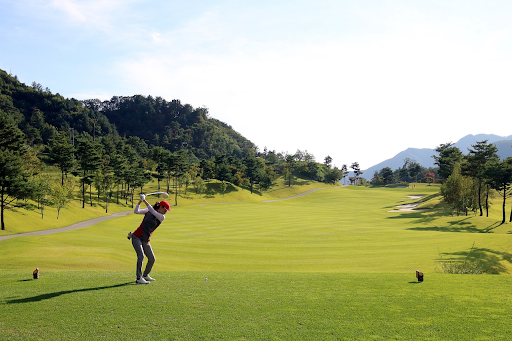
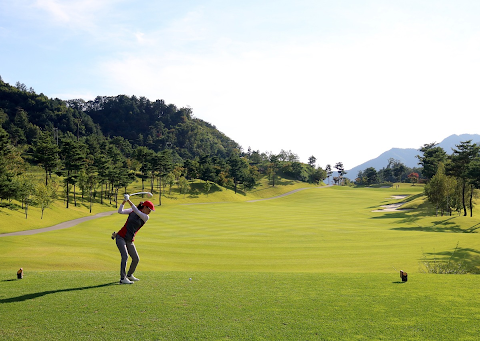
Golf Course Photography: How Golf Courses Get the Best Shots
It is not just a matter of pointing and shooting to capture the essence of a golf course through photography. Instead, it involves an intimate understanding of the landscape and lighting and highlighting the elements that make each course special.
Here is how some of the best courses around the USA, including the best resorts in Michigan, end up creating those unforgettable shots:
Understanding the Landscape
First, one needs to get familiar with the landscape of a golf course. Golf courses have a complex and carefully thought-through landscape with multiple levels, water features, and greenery. In this regard, a photographer has to know this landscape to capture the most photogenic spots on the court. Such knowledge will equip them with the ability to plan shots so that photographs are taken at places and angles that bring out the best of a course.
Optimal Lighting
The most critical element to making golf course photography truly great is lighting. The most flattering natural light usually occurs in the golden hours, shortly after rising and before sunset. This soft, warm light makes the hues and textures of landscapes so stunning in the image that it’s pretty common for photographers to schedule shoots during these times of optimal lighting.
Use of Drones
The past few years have literally changed golf course photography with the introduction of drones. An aerial shot is an utterly different view of the course, showing its entirety. Drones can take sweeping views and intricate details, perhaps those that could not be noted in ground-level photography. Aerial shots allow photographers to review the course, briefly detailing its magnitude and layout.
Composition Techniques
Effective composition techniques are important in ensuring a photograph’s potential. Leading lines will help guide the viewer’s eye into the frame and add depth to the image, much like cart paths or fairways do. Framing elements such as trees or bunkers put the shot into perspective and add interest to the shot. The key elements will be off-center for more dynamic and interesting photographs using the rule of thirds.
Highlighting Unique Features
Highlighting a golf course’s unique features sets it apart. These may be a signature hole, a beautiful water feature, or a breathtaking view—elements around which photographs can be built. Emphasizing what makes the course different will allow photographers to capture its atmosphere and character.
Seasonal Variations
Equally beautiful in golf course photography are the seasonal variations. Every season offers something else to this type of picture. In spring, blooming flowers and fresh green may provide vivid scenes. Summer supplies lush, full landscapes, while fall’s changing leaves offer bursts of color. Even winter could do stunning pictures on frosty mornings with serene snowfalls.
Post-Processing
Post-processing will further develop the final images regarding lighting, contrast, and coloring, ensuring photos show a course for what it truly is. However, it needs a bit of balance; over-editing can give unreal images. It should be to enhance and not alter the natural beauty.Golf course photography can be called an art in itself that requires sensitive planning and execution. It involves reading the landscape, optimal lighting, droning, and effective composition techniques that go into capturing the soul of a golf course. Unique characteristics and seasonal variations give character to the photos. Finally, sensitive post-processing work shall make the photographs stunning while retaining authenticity. These techniques are used by golf courses—including some of the finest resorts in Michigan—to display beauty and entice golfers worldwide.